Native speakers: my problem here is when there should be a direct object in these sentences, and when there shouldn’t. Your corrections to my guesses would be much appreciated!
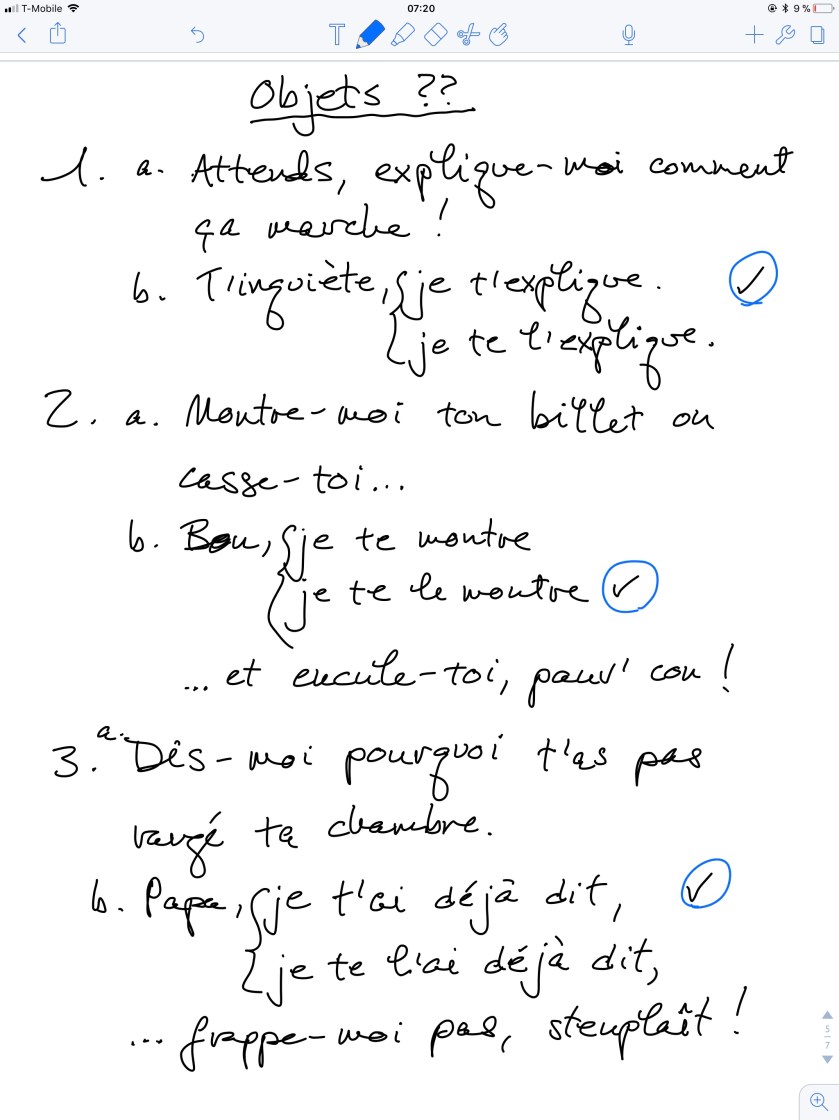
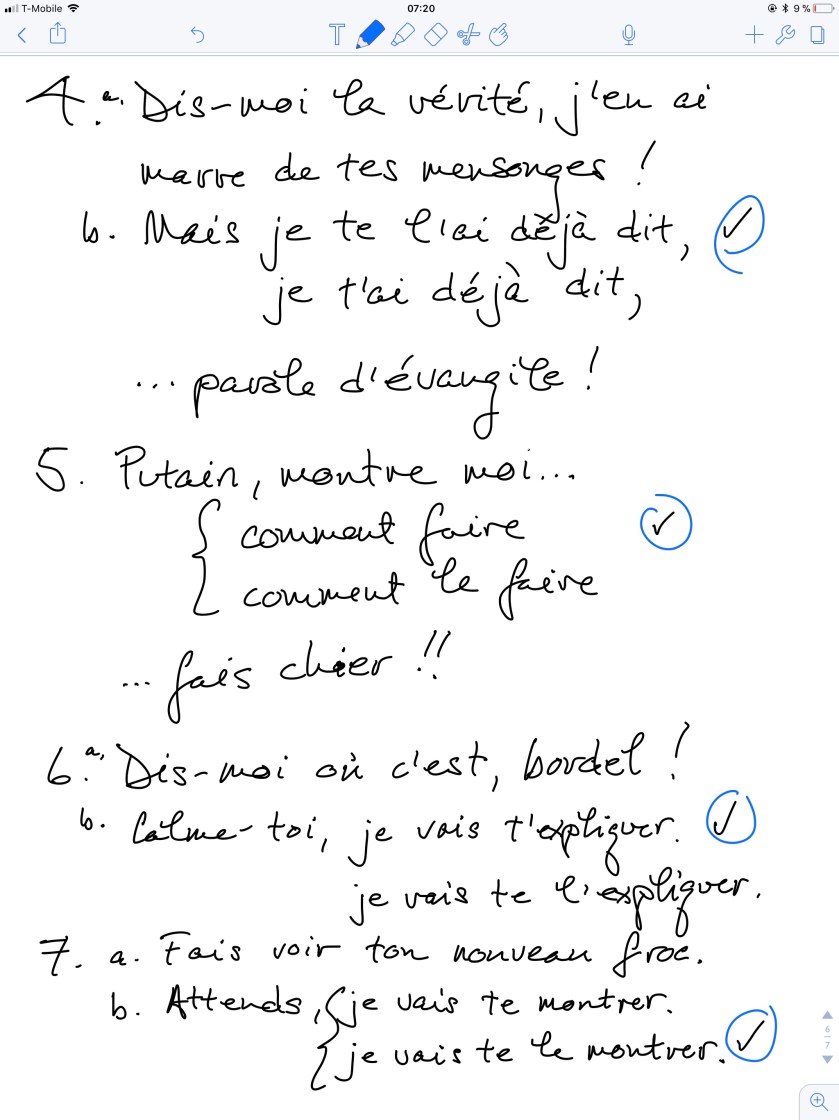

Sometimes it all just gets a little too abstract for me…
Native speakers: my problem here is when there should be a direct object in these sentences, and when there shouldn’t. Your corrections to my guesses would be much appreciated!
Resisting the russist occupation while keeping our humanity
"Je suis féru(e) de langues" is about language learning, study tips and travelling. Join my community!
JCDL 2020 Workshop on Biomedical Natural Language Processing
Criminal Curiosities
Biomedical natural language processing
but other things that fascinate me, too
Adventures in natural history collections
FAMILY LIFE IN A FRENCH COUNTRY VILLAGE
PC Chairs Blog
A site about history and life
Random commentary on teaching English as a foreign language
Université Paris-Centrale, Spring 2017
living and loving language
THE DRIVELLINGS OF TWATTERSLEY FROMAGE
 Zipf's Law
In all your examples both can be said . The literary or proper form includes “le” and lazy common form finds it’s too heavy to carry on one’s mouth .
I don’t understand the title; the question is not “objects or not” but “direct objects or not” . In “je vais te l’expliquer” “te” is the indirect object and “le” the direct : Je vais expliquer “le” à “toi” ; “je te l’ai déjà dit”= j’ai déjà dit “le” à “toi” . What doesn’t need any preposition and answers the question ” tu as dit quoi” or “tu as vu qui”is a direct object. If you need a preposition it can be an indirect object or something else .
For French grammar one needs to “unroll” the phrase, as Idid above twice, to find the proper agreement or syntax . It is often useful and especially for agreements with past participles of pronominal verbs .
LikeLike